
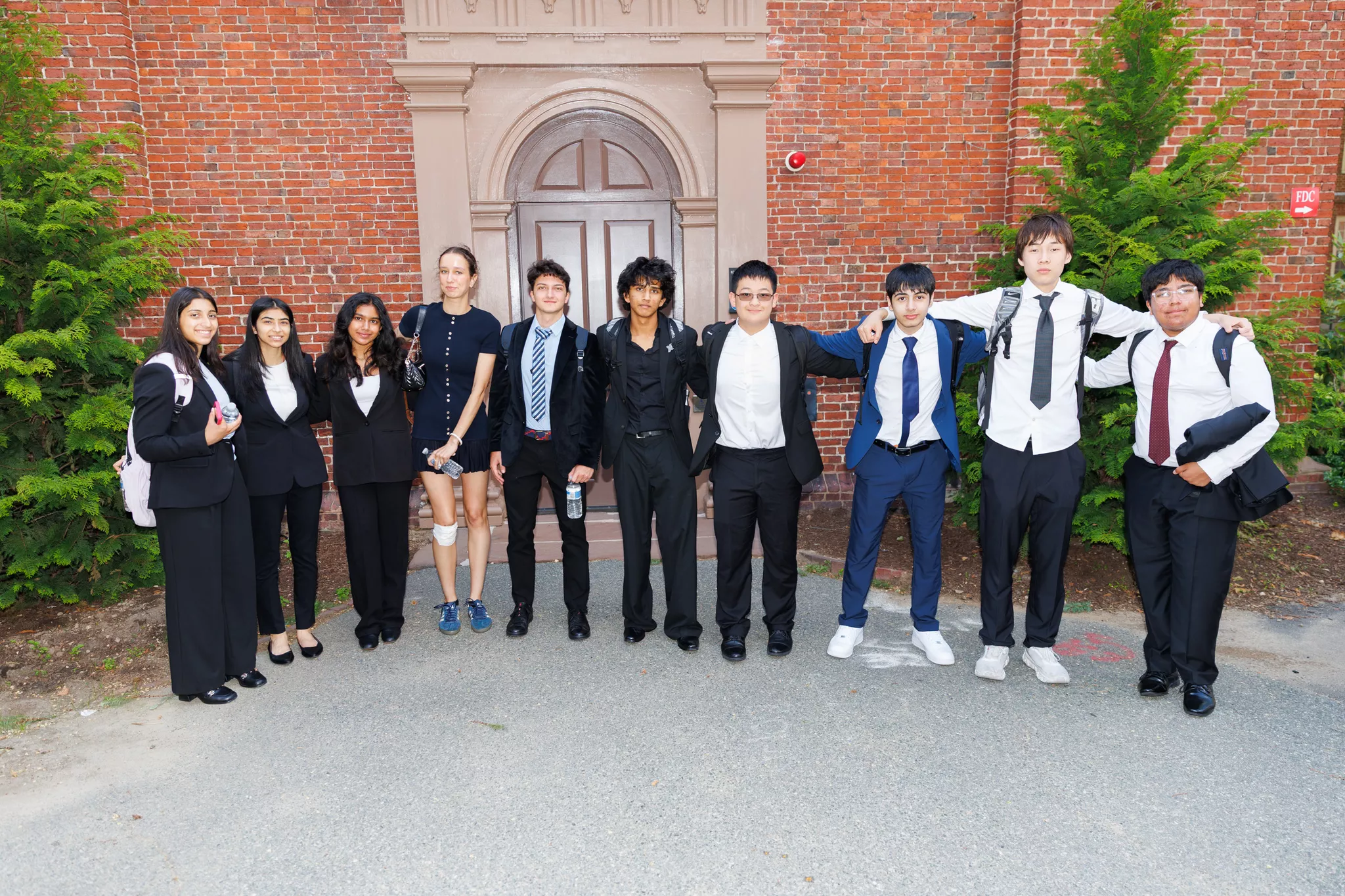
The International Research Olympiad (IRO) is a unique opportunity for high school students passionate about research. But if you are on the fence, the honest question is the right one: is it worth your time?
The Case For The IRO
It Builds Research Skills
The IRO's core strength is that it tests and develops the actual skills of scientific research: reading papers critically, interpreting data, and forming good research questions. Unlike subject olympiads that reward years of textbook depth, these are skills you can build through deliberate practice in months, and they transfer directly to science fairs, lab work, and university research. Win or lose, the preparation itself makes you a better researcher, and our full guide to what the IRO rewards breaks down each skill round by round.
The Credential Distinguishes You
Medaling, or even reaching the later rounds, is meaningful evidence of research aptitude, the kind of signal that helps when approaching professors and labs for research opportunities as a high schooler, and that adds a distinctive line to college applications. Winners also receive media recognition and sponsor prizes alongside the medals.
The Community Is The Quiet Benefit
The competition gathers research-minded students from dozens of countries, and the finals bring the strongest of them together in person. For students who are the only research kid at their school, finding that peer group has value that outlasts any medal.
The Case Against The IRO
It Takes Time
Doing well demands sustained preparation across the stages, from Opens practice through the free-response Semifinals, and finalists add travel to the in-person event. If your schedule is already committed to a research project, a subject olympiad, or a demanding season, the IRO is one more serious commitment, not a casual add.
There Is A Registration Fee
Registration has been $25 per recent cycle, and while that is modest compared to most competitions and fee waivers are available for students who need them, it is not zero. To its credit, the structure beyond that is generous: no additional fees at later stages, and accommodation costs are covered for finalists who travel to the in-person finals.
It Is Competitive
That is the nature of any olympiad, but it is worth saying plainly. If your only measure of worth is a medal, the odds say you will likely be disappointed. The students who get the most from the IRO are the ones who would consider the skill-building worth it even without hardware.
How to Decide Whether To Do IRO
Three questions cut through it.
Are you genuinely interested in research, not just in another credential?
Do you enjoy competitive challenges enough that preparation feels energizing rather than draining?
And can you invest the time without guaranteed success?
If most of your answers are yes, the IRO will likely be a valuable experience that moves your research journey forward. If you are unsure about the commitment, that is a fine answer too: the competition runs annually, and entering a later cycle when you feel prepared beats a half-hearted attempt now. The IRO is also one option among many, and summer research programs, science fairs, and other STEM competitions can build the same skills on different terms.
The Next Step Either Way
Whether or not you register, the direction is the same: developing real research skills and putting them to work on an original project.
Research projects compete at science fairs like the Regeneron International Science and Engineering Fair (ISEF), the world's largest pre-college STEM research competition, and that is exactly the journey we coach. Our coaches include ISEF Grand Awardees and Regeneron STS Scholars who have built award-winning projects of their own.
Book a free consultation to talk with an academic advisor about what a research project could look like for you.
