Not every ISEF competitor walks away with a Grand Award. Some leave with a Special Award, some with nothing but a badge lanyard and a few days of memories. Either way, the question worth asking isn't whether you won; it's whether you understand the value of what you just did.
The answer, almost universally, is that students underestimate it.
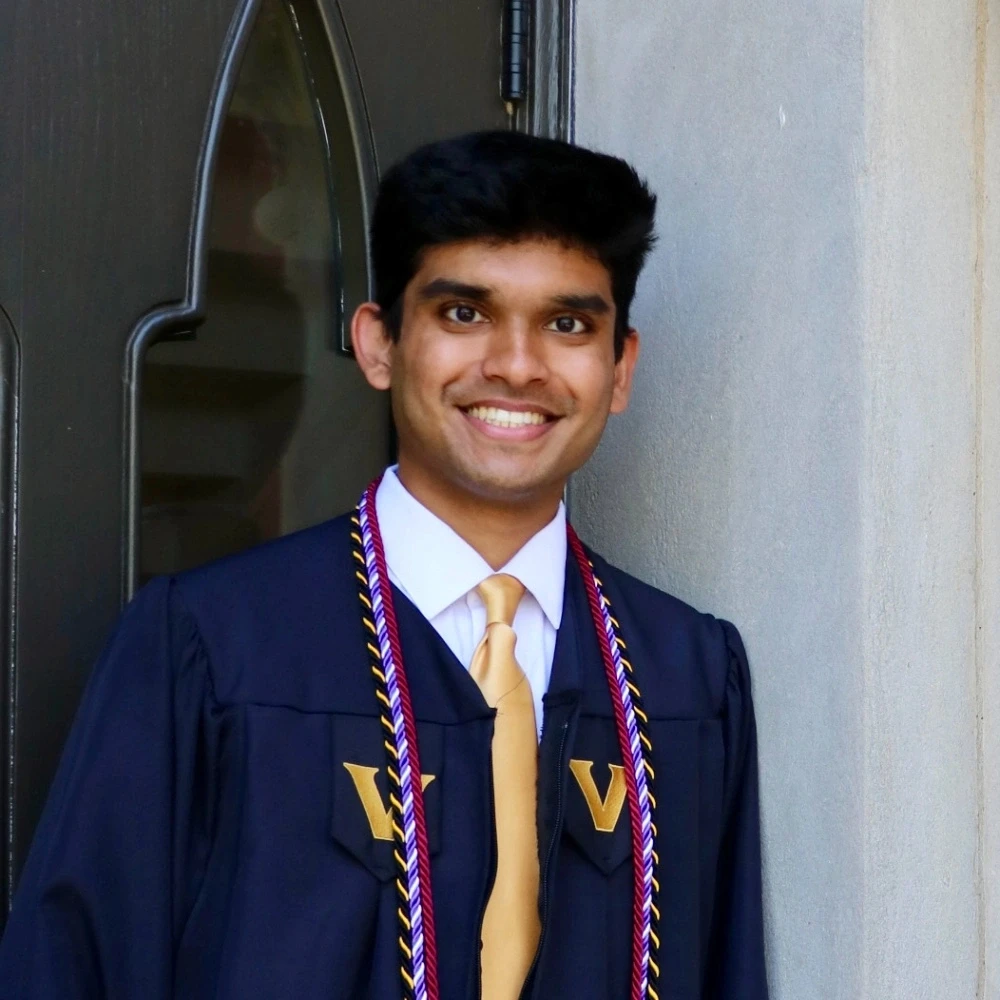
I'm Shanay Desai, a two-time ISEF competitor, a PhD researcher at the University of Pennsylvania, and a science fair mentor. Over the years, I've worked with students who left ISEF without placing and went on to gain admission to top universities, secure competitive research internships, and build careers rooted in the very topics they investigated at their high school fairs. The award was never the defining moment, the experience was.
What the ISEF Experience Brings You
Participating in ISEF requires a level of scientific maturity that most students don't fully appreciate until they look back on it.
To reach the fair, a student has to identify a genuine gap in existing research, design an original experiment, iterate through failure, and then defend their methodology in front of PhD-level judges (often under significant pressure and with little warning about the direction the conversation will take).
That process develops skills that cannot be taught in a classroom:
Reading primary literature,
Troubleshooting experimental design,
Performing statistical analyses,
Drawing conclusions from ambiguous data,
Communicating complex ideas clearly to an expert audience.
These are the foundations of a research career, and ISEF competitors build them years ahead of their peers.
The experience is also a demonstration of your character. Committing to a long-term independent project, staying intellectually honest when results don't cooperate, and showing up prepared and professional are qualities that distinguish committed students from the rest of the applicant pool.
Read our blog on what to do after ISEF and processing the experiencec.
What ISEF Adds to Your Career
ISEF participation often carries real weight on a résumé, and it does so at a stage when most students have very little else to show in terms of research experience.
University faculty at Ivy Leagues evaluating undergraduate research applicants are looking for evidence that a student can think and work independently.
Internship coordinators in technical fields are looking for the same as well. ISEF is one of the clearest signals that both are true.
Beyond the credential itself, the fair functions as a form of professional exposure that is difficult to replicate elsewhere.
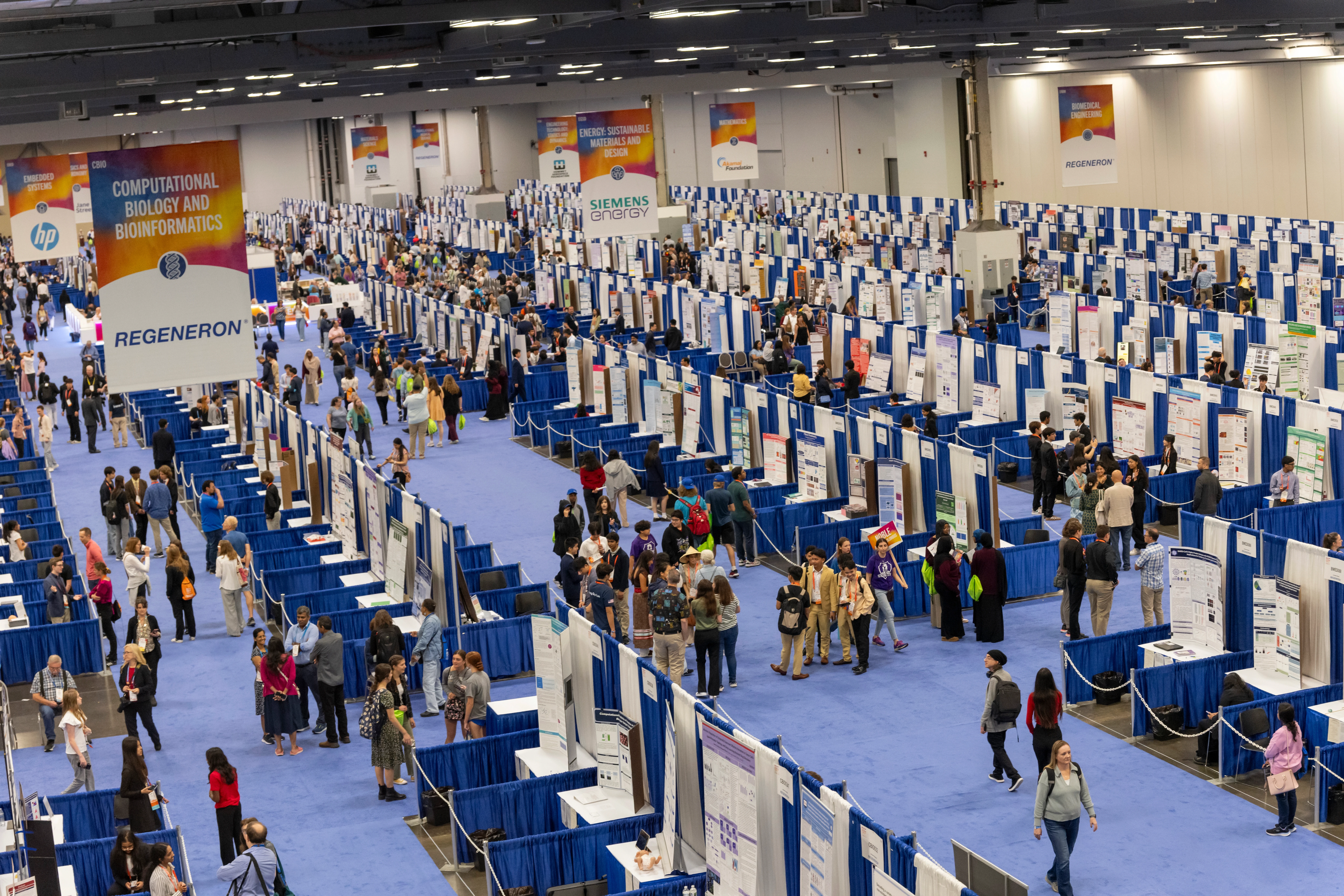
Walking the exhibition floor, observing how other students approached their research questions, and engaging with Special Award judges from industry and academia all contribute to a broader scientific literacy.
Many students leave ISEF with a sharper sense of what they want to study, which disciplines genuinely interest them, and what a career in research actually looks like day to day. That kind of clarity has long-term value that far exceeds any single award that ISEF provides.
The ISEF Network Is Worth Cultivating
Often, one of the most overlooked outcomes of ISEF is the professional network it creates.
The judges who evaluated a student's project are actual scientists: professors, industry researchers, and technical professionals who spend their careers in the fields students are just beginning to explore. Even when a conversation doesn't result in an award, it can result in a connection that you can leverage for future opportunities.
Following up after the fair is both appropriate and worthwhile. A brief, professional email thanking a judge for their time, referencing a specific point from the conversation, and expressing continued interest in the topic is a small effort that occasionally opens significant doors.
Research mentorships, letters of recommendation, and summer lab opportunities have all come out of post-ISEF correspondence that began exactly this way.
Fellow competitors are an equally valuable part of the network. The students who share the ISEF floor are, in many cases, future colleagues and people who will all go on to graduate programs, research labs, and institutions around the world.
The relationships formed at the fair have a longer arc than most students realize in the very moment.
How to Use Your ISEF Experience Going Forward
The most important thing a student can do after ISEF, regardless of result, is document and reflect on what they did.
College applications, scholarship essays, and research program interviews all benefit from a student who can speak specifically and thoughtfully about the decisions they made, the obstacles they navigated, and what the experience taught them about how science actually works.
Judges are not the only audience. Admissions officers, faculty advisors, and future employers are all asking the same underlying question: does this person know how to think? ISEF participation, handled well in conversation and on paper, is a compelling answer.
