Live Webinar

How to Break Into Aerospace Research as a High Schooler

How to Break Into Aerospace Research as a High Schooler

How to Break Into Aerospace Research as a High Schooler

16th September at 8 PM EST (5 PM PST)
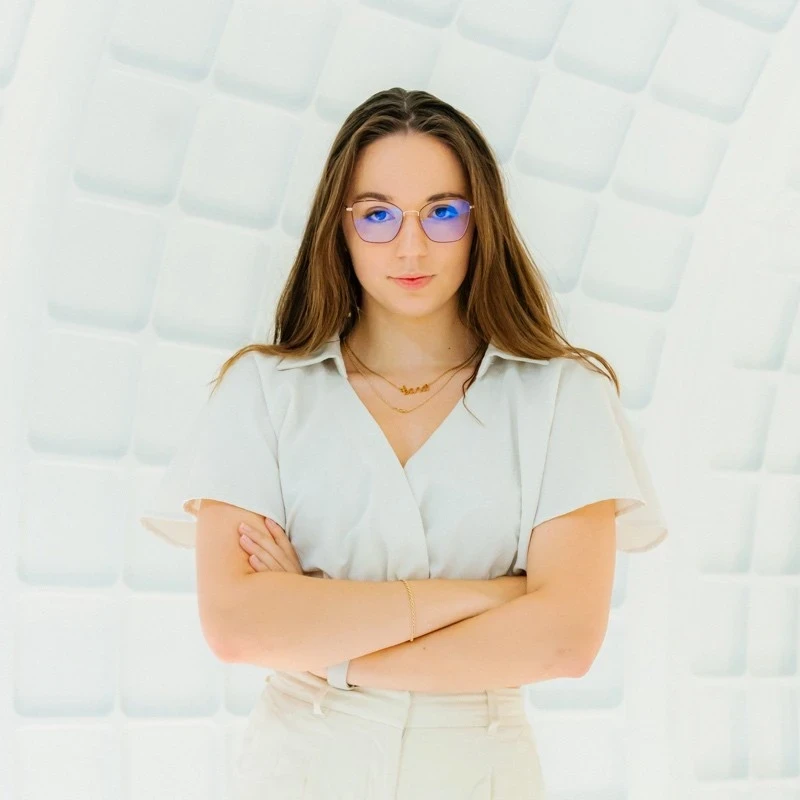
Getting into aerospace research in high school can feel impossible without a university lab or a family connection to open doors. In this free webinar, two-time ISEF Grand Award winner Kara Gaiser and space industry professional Samuil Nikolov will share exactly how they broke into aerospace research as students, with no lab access and no existing network.

Students will learn how to find real research opportunities, what to do when the answer is no, and how to turn independent work into award-recognized results. Whether a student is just curious about aerospace or ready to start a project this year, this session offers a clear, honest starting point.

Getting into aerospace research in high school can feel impossible without a university lab or a family connection to open doors. In this free webinar, two-time ISEF Grand Award winner Kara Gaiser and space industry professional Samuil Nikolov will share exactly how they broke into aerospace research as students, with no lab access and no existing network.

Students will learn how to find real research opportunities, what to do when the answer is no, and how to turn independent work into award-recognized results. Whether a student is just curious about aerospace or ready to start a project this year, this session offers a clear, honest starting point.

1

2

By clicking Submit you agree to our

Next

Speakers

Speakers

Kara Gaiser

Kara Gaiser recently graduated from Mechanical Engineering with an Aerospace Engineering concentration at the University of California, Berkeley. She is now an ECS Integration Engineer at Archer. Her aerospace and bioengineering research has been recognized at the International Science and Engineering Fair (ISEF), where she is a two-time Grand Award winner, alongside publication with the American Institute of Aeronautics and Astronautics (AIAA) and presentation at the AIAA SciTech Conference. She is also a ScienceFair mentor.

Samuil Nikolov

Samuil Nikolov studied Space Operations at Embry-Riddle Aeronautical University. He has worked at NASA, ERPL, and the Federal Aviation Administration. He is now a Space Technologies Laboratory Software Developer at Embry-Riddle Aeronautical University.

Leila Scola

Leila graduated from University of Southampton with a degree in Languages and European Studies, and later earned an MBA in Marketing and Communication. Fluent in five languages, she combines an international perspective with a strong background in marketing and communication.

She began her career in SaaS, and today she is the Marketing Associate at ScienceFair.

In this webinar you will learn

In this webinar you will learn

In this webinar you will learn

Finding Your Way In

How Kara and Samuil got started in high school, without a lab, funding, or family connections

What gave them their first opportunity

Doing Research Without a Lab

Designing and running a real research project outside of a university setting

How to work around common barriers like equipment, mentorship, and access to data

Turning Work Into Recognition

Turn your research into a winning ISEF project

How to build a body of work that leads to internships, fellowships, and future research opportunities

Be Part of This Live Webinar

Be Part of This Live Webinar

How ScienceFair Works

How ScienceFair Works

How ScienceFair Works

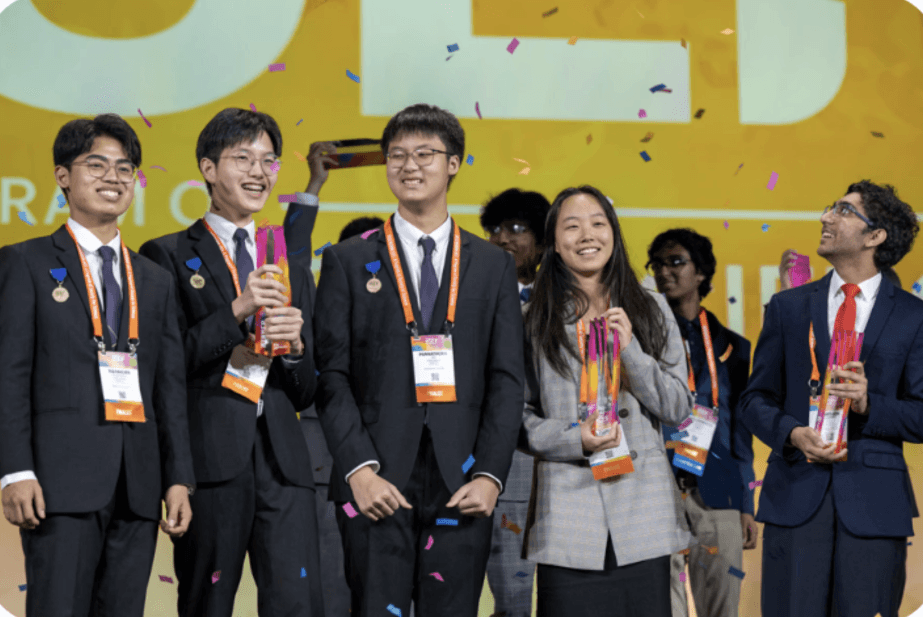
ScienceFair is a high-touch science fair coaching program built for students who want real competitive outcomes. Our students have earned $75,000+ in merit-based STEM scholarships and awards, and are up to 40× more likely to qualify for ISEF and nearly 3× more likely to win compared to the global average. We pair students with past ISEF winners who guide them through project ideation, research design, and judge-focused presentation.

ScienceFair is a high-touch science fair coaching program built for students who want real competitive outcomes. Our students have earned $75,000+ in merit-based STEM scholarships and awards, and are up to 40× more likely to qualify for ISEF and nearly 3× more likely to win compared to the global average. We pair students with past ISEF winners who guide them through project ideation, research design, and judge-focused presentation.